What’s in, what’s out?
As we move deeper into winter – chard, fennel, and hardy radishes are on their way out. It’s unusual for chard to last this long, which highlights just how mild the year has been, and shows how our seasons are shifting.
The UK is now brimming with Christmas-y vegetables: cauliflower, parsnips, swede, leeks, squash, onions, potatoes, carrots and winter greens (cabbage, spinach and kale), as well as their slightly stranger winter cousins – celeriac, radicchio, Jerusalem artichoke and turnips.
Across Europe, a rich array of flavours is coming into season. Oranges, lemons, pomegranates, sweet potatoes, and avocados are being brought over, and while they stretch the idea of “local”, many are transported by land or sea, which lowers the emissions significantly, making this the perfect time to enjoy them alongside the UK’s winter classics.
Giving Cabbage its Flowers
Cabbage is one of those vegetables that attracts plenty of criticism, yet quietly underpins cooking traditions across the world. Humble and hardworking, it turns up wherever people have needed filling, reliable food through long winters.

In Eastern Europe it forms the backbone of hearty stews. It can be fermented Korea style, as kimchi or European style as sauerkraut. Across the US it’s shredded into slaws. In Italy, finely chopped cabbage often joins onions, carrots and celery in a soffritto base, adding sweetness and depth to slow-cooked dishes. In Ireland, it’s folded into buttery colcannon, while in Britain it reappears the next day as bubble & squeak, fried crisp and golden.
And yes, there’s a certain fatigue that comes with finely cutting yet another cabbage, but one of my favourite ways to enjoy a cabbage is slicing it into quarters or eights and roasting it until the edges caramelise.
Pest Patrol
The broad bean shoots are beginning to sprout, a small but quietly reassuring sign after weeks of lying dormant in cold, heavy soil. Last year at Sarah Green’s Farm, many fresh shoots were raided by rooks and mice, a familiar challenge that ecologically minded farms must constantly wrestle with.
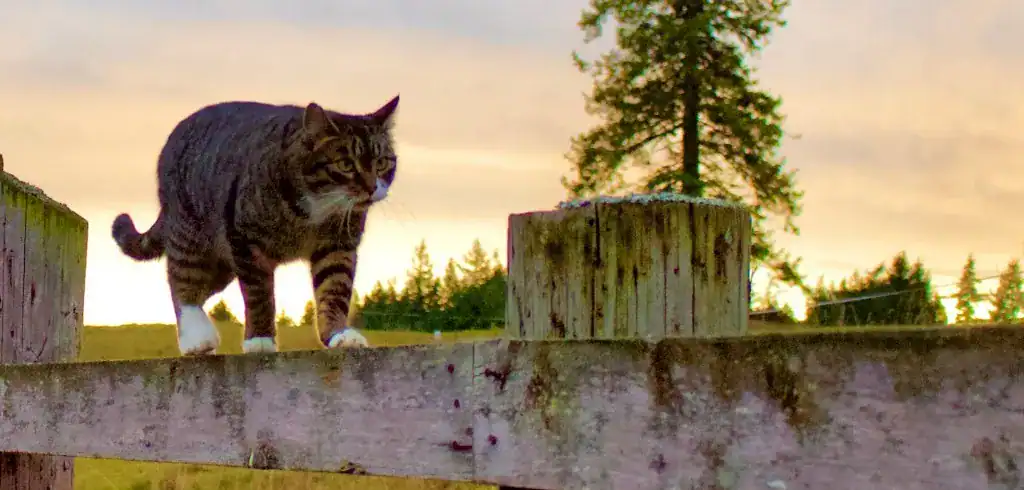
Growers rely on a mix of strategies to protect their crops, from classic scarecrows and crop covers to longer-term, low-intervention approaches like encouraging birds of prey to roost nearby. Organiclea employ Umut, their farm cat, to patrol the margins, forming part of their pest control.

None of these methods are fool proof and Sarah and her team will be keeping a watchful eye on the broad bean patch to chase away any scavengers.
Mulching Rhubarb and Asparagus
Asparagus and rhubarb are perennial crops, which means they don’t need replanting each year. After lying dormant through the winter, their tender stems reappear in the Hungry Gap (April to June), providing fresh produce when other crops are scarce.

During the summer and autumn asparagus and rhubarb are left to grow and strengthen their root systems, while asparagus stalks explode into feathery ferns and even produce small red berries, which is quite festive, while rhubarb continues to hold on to its iconic broad leaves.
When winter arrives, farmers carefully cut back the growth above ground and then cover them in a thick layer of straw, leaves, or woodchips to shield them from cold weather, which then slowly decomposes to feed worms, microbes, and the plants themselves. A simple and natural way to nurture the soil and avoid using synthetic fertilisers.
Live in Camden or Islington?